

How Smart Technology is Unlocking New Revenue Streams for Stadiums
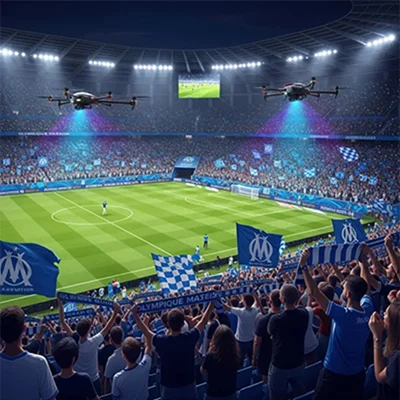
Not very long ago, stadiums had a fairly predictable way of making money.
You sold tickets. You sold food. Maybe a few branded deals here and there. Once the match or event ended, that was pretty much it. Revenue stopped the moment people walked out.
Now, that model feels a bit… outdated.
What’s changed isn’t just the size of events or the number of fans. It has to do with the running of stadiums. To put it more accurately, that is the growing popularity of the smart stadium technology that silently reinvents the operation of these stadiums, not to mention the way they earn money.
It Sounds Like It Does Not Sound Like High-Tech, but It Is.
If you ask a fan whether they’ve experienced digital stadium technology, most would probably say no.
But then they’ll also say things like:
- “I ordered food from my seat.”
- “Entry was surprisingly quick.”
- “I got a discount notification during the game.”
That is digital transformation — just not in an obvious, flashy way.
The interesting part is that all these small improvements aren’t just about convenience. They’re tied, directly or indirectly, to revenue.
Where Revenue Is Quietly Increasing
To really understand how smart technology increases stadium revenue, you have to look at behaviour, not just systems.
People don’t suddenly decide to spend more because technology exists. They spend more because things become easier.
A Small Example: Food
Think about how it used to be.
You would abandon your seat and wait in a long queue, fear that you would not watch the entire match... and sometimes also you would just half-way give up.
Now, with better smart stadium solutions, you tap a few buttons, place an order, and either pick it up or have it delivered.
That’s it.
Nothing dramatic. But multiply that across thousands of fans, and suddenly, revenue looks very different.
Ticket Pricing Isn’t Fixed Anymore
Another subtle change — pricing.
With modern stadium technology solutions, ticket rates don’t stay the same from start to finish. They move. They adjust.
A big game? Prices go up.
Lower demand? Discounts appear.
Even during the event, upgrades are offered. Someone sitting far away might get a notification offering a better seat at a reduced price.
A lot of people accept it. Not everyone, but enough to matter.
How IoT Technology Improves Stadium Fan Experience
There’s a lot of talk about this, but stripped down, how IoT technology improves stadium fan experience is really about reducing friction.
That’s it.
Getting Around Is Less Frustrating
Large stadiums can be confusing. Finding your section, a washroom, or even an exit used to take time.
Now, navigation tools guide you. Some apps even show less crowded paths.
It’s not something people think about twice, but it changes how comfortable they feel moving around.
Connectivity Has Become a Basic Expectation
Earlier, poor network inside stadiums was normal.
Now, it’s almost unacceptable.
People want to upload stories, check stats, message friends — all in real time. With better connectivity, they stay engaged throughout the event.
And when people stay engaged, they’re more likely to interact with services offered through apps. That’s where the revenue connection comes in.
Personalization Happens Quietly
This is where smart stadium technology gets interesting.
You might receive an offer that actually matches your preference — maybe something you’ve ordered before, or merchandise related to your team.
It doesn’t feel random. It doesn’t feel forced.
And because of that, people respond to it more naturally.
New Revenue Streams — Not Just Better Old Ones
Improving food sales or ticket pricing is one thing.
But what’s more interesting is how smart stadium solutions are creating revenue streams that didn’t exist earlier.
Digital Extras Are Becoming Normal
Some fans want more than just watching the game.
They want different camera angles. Instant replays. Maybe even behind-the-scenes content.
These are small add-ons, but people are willing to pay for them.
It’s a clear case of ways smart stadium solutions create new revenue streams without needing extra physical space.
Parking, Surprisingly, Is a Revenue Opportunity
Parking used to be messy — and honestly, not very profitable.
Now it’s organized.
You can book in advance, pick your spot, pay digitally. Premium locations cost more. Others are not too concerned about the cost of convenience.
It's simple, but effective.
Merchandise Sales Don’t Depend on Stores Anymore
In the past you did not have to be in line because you did not want to buy anything.
You are now able to place orders right off your phone.
Some stadiums even deliver it to your seat.
That ease leads to more impulse buying, which again ties back to revenue.
Benefits of Smart Stadium Technology for Sports Venues
When people talk about the benefits of smart stadium technology for sports venues, revenue is usually the headline.
But there are quieter benefits too.
Operations Feel More Controlled
Energy usage, staffing, maintenance — these things are handled more efficiently now.
Lights, cooling, and other systems adjust based on real-time conditions. It reduces waste.
It may not look exciting, but it improves margins.
Decisions Are Less About Guesswork
Operators now have access to actual data.
They can see where crowds gather, what sells, what doesn’t. It changes how they plan.
They react to the reality rather than what they assume.
Individuals Will Be More likely to return.
This part is simple.
If the experience feels smooth — not perfect, just smooth — people return.
And repeat visitors are far more valuable than one-time attendees.
Digital Technology Transforming Sports Stadium Operations
When you zoom out a little, you can easily see that digital technology revolutionizing the operation of sports stadiums is not only fan-facing.
It is going on behind the scenes as well.
Security systems are smarter. Crowd management is better. Maintenance issues are spotted earlier.
Everything runs a little more smoothly.
And when operations improve, revenue usually follows.
The Bigger Shift
Maybe the biggest change is this:
Stadiums are no longer earning only when an event is happening.
They’re earning through engagement — before, during, and even after.
That’s where stadium technology solutions are making the biggest difference.
Final Thought
Not every stadium is fully there yet.
Some are still experimenting. Some are cautious about investing too much too quickly.
But the direction is quite clear.
As smart stadium technology becomes more common, the gap between traditional venues and tech-enabled ones will only grow.
And over time, that gap won’t just show in experience — it’ll show in revenue too.
 Media Pack Download
 Newsletters
 Industrial Events